Reviewing the Vintage Christmas Wall Poster for Stitching
As a designer who has spent countless hours digitizing and testing machine embroidery design files, I have learned that not every graphic translates well to thread. When I first opened the Vintage Christmas Wall Poster file, my immediate reaction was one of cautious optimism. The visual appeal is undeniable, capturing that nostalgic, warm holiday mood we all crave in December. However, moving from a digital screen to a physical embroidery project requires a critical eye. This review breaks down how this specific asset performs when translated into real-world stitching, helping you decide if it belongs in your next craft business lineup.
First Impressions and Visual Personality
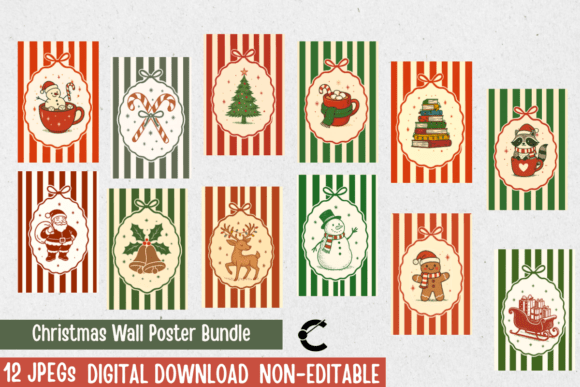
The Vintage Christmas Wall Poster stands out because of its illustrative quality. Unlike standard clip art, this piece feels like a curated piece of art. The layout balances intricate details with open spaces, which is crucial for embroidery. If a design is too dense, it becomes stiff and unappealing; if it is too sparse, it lacks impact. This design strikes a middle ground that suggests a mix of satin stitch borders and strategic fill stitch areas. The theme is classic, avoiding trendy elements that might date quickly, making it a safe bet for timeless holiday embroidery products.
For those of us selling design assets or finished goods, the mood is everything. This design evokes warmth, tradition, and comfort. It fits naturally into the Illustrations category because it relies on artistic composition rather than just simple shapes. When I visualize this on a product, I see it working best where the viewer has a moment to appreciate the detail, rather than on items that are constantly in motion or folded away.
Real-World Application: The Tote Bag Test
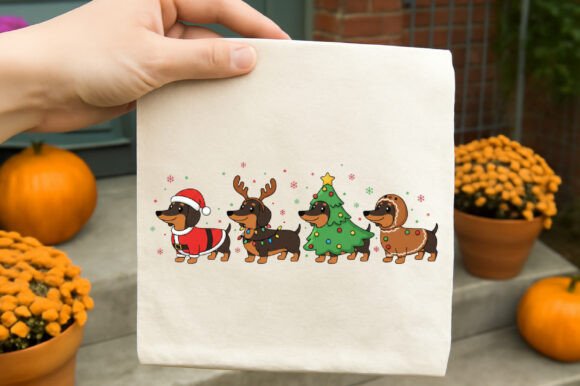
To truly evaluate a design, I imagine it on a specific product. Let’s consider a heavy canvas tote bag design. This is a popular item for Etsy seller shops and boutique markets. The Vintage Christmas Wall Poster would serve as a striking central motif on a natural or cream-colored canvas. The contrast between the vintage color palette and the rough fabric texture of the canvas adds depth.
In this scenario, the design needs to hold up against the weave of the fabric. I would recommend using a cut-away stabilizer to prevent distortion, especially if the design includes larger filled areas. The result would be a high-value handmade product that customers perceive as premium due to the complexity and artistic nature of the embroidery. It transforms a simple bag into a statement piece, perfect for carrying gifts or groceries during the festive season.
Apparel and Wearable Items
Moving beyond accessories, let’s look at custom apparel. A cozy fleece sweatshirt is an ideal candidate for this design. The sweatshirt embroidery market is huge, but it is also competitive. Using a unique illustration like this helps your small shop product stand out from generic text-based designs. However, you must be mindful of the stitch density. Fleece is thick, and adding dense embroidery can make the garment heavy and uncomfortable. I suggest testing a scaled-down version or ensuring the digitizer has used appropriate underlay stitches to keep the design flat and soft against the skin.
For baby embroidery, such as a holiday onesie or blanket, caution is key. Babies have sensitive skin, and large embroidered areas can be scratchy. If you use this design for infant items, consider placing it on the back or using it as part of a larger quilt block where the stitching does not directly touch the skin. Always prioritize soft thread colors and high-quality rayon or polyester threads that resist breaking during washing.
Navigating Technical Challenges
While the Vintage Christmas Wall Poster is visually strong, it presents certain technical challenges that every embroiderer should anticipate. Not every surface is suitable for this level of detail.
- Small Hoop Sizes: If you are working with a 4x4 inch hoop, you may need to crop the design significantly. This could lose the context of the "poster" feel. Ensure the hoop size matches the intended output before purchasing or downloading the embroidery file.
- Textured Fabrics: On highly textured materials like terry cloth or bouclé, fine details may get lost. The running stitch outlines might disappear into the pile. Stick to smoother fabrics like cotton twill, denim, or polished fleece for the best clarity.
- Dark Fabric: Vintage palettes often include muted tones. On black or navy fabric, these colors may lack contrast. You might need to adjust the thread colors to brighter variants or add a white underlay to make the design pop.
- Curved Surfaces: Applying this to a cap or curved hat brim requires careful hooping. Distortion can occur if the design is too wide. Check the width dimensions carefully to ensure it fits within the usable area of a cap frame.
Enhancing Brand Value and Customer Trust
Using high-quality illustrations like the Vintage Christmas Wall Poster elevates your brand. Customers can tell the difference between a cheap, auto-digitized logo and a thoughtfully placed artistic design. This attention to detail builds trust and encourages repeat business. When you present a finished product that looks professional and well-crafted, you justify a higher price point.
For digital embroidery file sellers, offering this type of design attracts serious hobbyists and professionals who value uniqueness. It serves as a excellent printable mockup subject for your marketing materials, showing potential buyers how versatile the design can be across different products. Whether it is an embroidered patch for a jacket or a decorative accent on a pillow cover, the versatility adds value to your portfolio.
Practical Designer Notes for Success
Before you commit to stitching this on a client’s garment or your final inventory, follow these practical steps:
- Test on Scrap Fabric: Always run a test stitch-out on the same type of fabric you plan to use for the final product. This reveals any tension issues or puckering.
- Check Thread Contrast: View your thread chart against the fabric. Ensure there is enough contrast for the details to be visible from a distance.
- Review Stitch Density: If the file allows, check the density settings. For wearable items, lower density is often more comfortable and durable.
- Verify Licensing: If you plan to sell items made with this design, confirm the license terms. Some commercial embroidery licenses require attribution or have limits on production volume.
- Mockup in Black and White: Convert your digital preview to grayscale. This helps you see the value structure and ensures the design has enough contrast without relying solely on color.
The Vintage Christmas Wall Poster is a compelling choice for designers looking to add a touch of nostalgia to their work. By understanding its strengths and limitations, you can create stunning personalized gift items and profitable craft business products that resonate with customers. Remember, the best embroidery projects are those where the design and the medium work in harmony, creating a tangible sense of quality and care.