Reviewing Christmas Pastel Cookie Illustrations for Blogs
As a digital publisher and blog designer who has spent years refining the visual identity of content-heavy websites, I approach every new graphic design asset with a critical eye. It is not enough for an image to be cute; it must perform. It needs to hold up under the scrutiny of high-resolution retina displays, maintain clarity when compressed for web performance, and align seamlessly with a cohesive brand strategy. Recently, I integrated the Christmas Pastel Cookie Clipart Bundle into a seasonal content rollout, and the results offered valuable insights into how specific aesthetic choices impact reader engagement and trust.
First Impressions and Editorial Mood
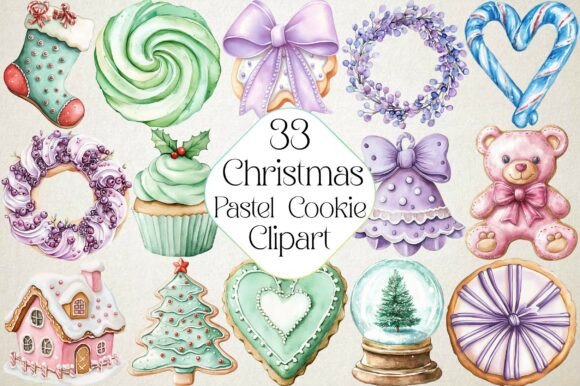
The immediate impression of this bundle is one of softness and approachability. Unlike traditional holiday graphics that rely on stark reds and greens, these Illustrations utilize a muted, pastel palette that feels distinctly modern and lifestyle-focused. For a publisher, this creates a specific editorial mood: it is feminine, warm, and inviting without being overly childish. This aesthetic naturally supports niches such as home decor, baking, parenting, wellness, and gentle living. When placed alongside serif fonts or elegant script typography, the assets elevate the perceived quality of the page, suggesting a curated, thoughtful approach to content creation rather than a rushed, generic holiday post.
Integrating Assets into Real Publishing Workflows
In a real-world publishing scenario, versatility is key. I tested these images across several touchpoints in a typical content marketing funnel. The most effective application was in creating custom Pinterest pin designs. The clean lines and ample negative space within the cookie illustrations allowed for bold, readable text overlays, which is crucial for click-through rates on visual search engines. Furthermore, using these assets as subtle accents in newsletter headers helped break up text-heavy emails, improving readability and maintaining subscriber interest during the busy holiday season.
Beyond social media, the bundle proved invaluable for developing digital products. I used the elements to design cover art for a downloadable holiday recipe eBook and as decorative borders for printable worksheets. Because the style is consistent, it strengthens brand identity across different formats. Whether used in a Canva template for clients or as part of a lead magnet, the cohesive look ensures that the audience recognizes the source immediately, fostering loyalty and professional credibility.
Impact on Content Performance and Visual Hierarchy
From a web design perspective, the primary goal of any visual element is to support the content, not distract from it. These cookies excel at establishing a clear visual hierarchy. When used as hero images or article thumbnails, they draw the eye without overwhelming the headline. This balance is essential for maintaining reader trust; users are more likely to engage with content that looks polished and professionally assembled. The soft colors reduce visual fatigue, encouraging longer dwell times on page, which is a positive signal for SEO.
For affiliate marketers, the aesthetic appeal of these graphics can subtly influence purchasing intent. By associating recommended products with high-quality, attractive visuals, you create an aspirational context. The commercial design quality of the bundle means it does not look like free stock art, which helps differentiate your site from competitors who may be using lower-quality resources. This differentiation is vital in saturated markets where small business branding relies heavily on unique visual signatures.
Strategic Placement and Cautionary Notes
While the bundle is versatile, it is not universally applicable. It works best in contexts that allow for some breathing room. Hero sections, category thumbnails, and dedicated resource pages are ideal environments. However, caution is required when using these assets in small mobile thumbnails or dense, text-heavy layouts. The delicate details of the pastel shading may get lost at very small sizes, reducing their impact. Additionally, these illustrations should be used carefully on serious professional niches, such as legal or financial advice blogs, where a playful or decorative tone might undermine authority.
Contrast is another critical factor. Because the palette is light, placing these images on white or very light backgrounds can sometimes result in low visibility. I recommend testing them against slightly darker pastel backgrounds or using subtle drop shadows to ensure they pop. Avoid using them on busy, patterned backgrounds where the intricate details of the cookies might clash with the underlying texture.
Practical Publisher Notes for Implementation
Before deploying any digital download into a live production environment, rigorous testing is necessary. Here are the steps I took to ensure optimal performance:
- Device Testing: Preview the assets on both desktop and mobile screens to ensure scalability and clarity.
- Thumbnail Check: Verify how the images appear as small thumbnails in blog archives and social feeds.
- Typography Pairing: Test the graphics beside various font styles, including serif, sans serif, script, handwritten, and display fonts, to find the most harmonious combination.
- Contrast and Readability: Ensure there is sufficient contrast between the image and any overlaid text or background colors.
- File Optimization: Review file sizes and compress images properly to maintain fast load times, which is crucial for user experience and SEO.
- Licensing Verification: Always confirm the commercial license terms before using the assets on monetized websites, affiliate pages, or in paid content products to avoid legal issues.
Final Verdict for Content Creators
The Christmas Pastel Cookie Clipart Bundle is a strong addition to any designer’s toolkit, particularly for those focused on lifestyle, food, or family-oriented content. It offers a fresh take on holiday aesthetics, moving away from clichés toward a more sophisticated, modern design language. When used strategically, these design assets can significantly enhance the visual appeal of your blog graphics, editorial layouts, and social media presence. By paying attention to placement, contrast, and licensing, you can leverage this bundle to create a cohesive, professional, and engaging visual experience for your audience. In the competitive landscape of content marketing, such attention to detail can make the difference between a casual visitor and a loyal subscriber.